Field Notes
Nobody Told Them to Want This
Nobody put this on a survey, and nobody ever will — there is no clipboard moment before a trip to Chiang Mai or Ubud or Ho Chi Minh City…
Field Notes Editorial
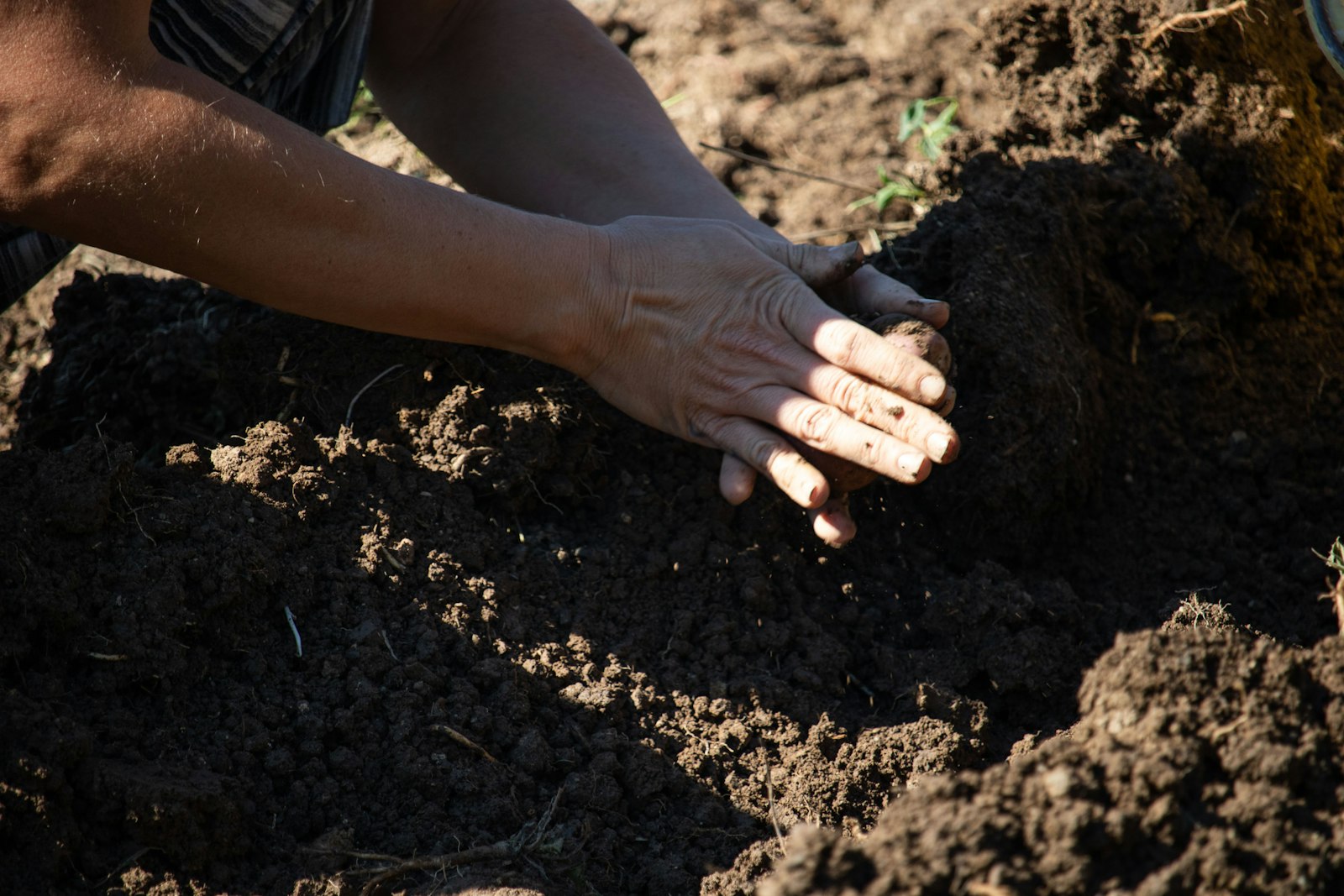
Nobody put this on a survey, and nobody ever will — there is no clipboard moment before a trip to Chiang Mai or Ubud or Ho Chi Minh City in which a traveler is made to choose, out loud, between a folding chair angled toward a cooking demonstration and a row of turmeric where the soil is dark enough, damp enough, to work itself under her fingernails before she has quite decided to let it. And yet the reviews keep arriving anyway, written by people who chose the second thing without being asked to choose it at all, and the same detail keeps surfacing inside them, unrehearsed, in language nobody stood over their shoulder to coach.
A guest at a farm outside Chiang Mai did not reach for a certification, or a star rating, or any of the vocabulary a brochure would hand her; she reached, instead, for the chickens — for the plain fact of nature all around her, the birds underfoot, the organic gardens — and for her, evidently, that settled the matter entirely. A guest at a farm near Ho Chi Minh City spent her praise on the woman who had cooked for her: a host who had left another profession behind for the slower, dirtier work of farming and cooking instead, and who, unasked, had explained how the herbs laid out in front of them had traditionally been used for more than flavor. And a guest at a farm cooking school in Ubud gave her warmest words not to the meal itself but to what came before it — the walk through the market, and the chance to pick her own produce before it became lunch. None of the three had been asked, by anyone, to care where their food had been an hour earlier. They cared anyway, and went home, and typed the caring into a phone, unprompted, because it was the part of the trip that had actually stayed with them.
This is not a mood drifting loosely through the travel industry. It has a shape, and the shape has a name: the difference between a traveler who wants to look at a farm and one who wants, if only for an afternoon, to be inside it — hands turned over in the soil rather than folded behind a rope line, watching. And it did not build at a steady pace. What might otherwise have arrived slowly, one converted traveler at a time over five or ten years, was seized instead by the pandemic and thrown forward — because two years spent unable to go anywhere, or verify anything, left people with an almost physical hunger to know exactly where a thing had come from, and to check it themselves, with their own hands, rather than take anyone's word for it again.
Where this shift can actually be priced, it lands in a surprisingly narrow band — roughly thirty to fifty dollars a person for a half-day built the same way most places build it: a cooking class, a walk through the rows, a stop at the market, folded into a single morning. Not a resort package. Not a multi-night retreat with a name that sounds like a spa treatment. A few hours, one real farm, and a bill that lands close enough to a nice dinner out that almost anyone already in the region, already curious, could say yes to it without much deliberation.
Here is the part this piece owes you straight, rather than folding it quietly under the tidy ending it would prefer to reach: the same stretch of geography that produced those three unprompted reviews has also produced a second story, told in a flatter, angrier register, on travel forums where people go specifically to warn each other. It is about Bali's coffee-plantation "farm tours," and the complaints are, by now, widely reported — in public reviews and traveler forums anyone can read. They do not change much in the retelling: drivers paid kickbacks to steer tourists toward one commission-paying stop over another; cages holding civets and other animals, presented as though they were simply part of the morning; a "free tasting" that turns out to press a purchase before anyone is quite allowed to leave; and, in more than one account, a suspicion that the plantation just visited had never really grown coffee on its own land at all. No court has weighed any of this, and this piece names no single operator. But when independent visitors, unconnected to one another, keep describing close variations of the same complaint, it stops being a scatter of bad afternoons. It becomes a shape. And that shape is forming in the same geography, the same category of experience, arguably the same week, as the reviews that opened this piece.
Both of these things are true at once, and neither is permitted here to cancel the other out. The traveler who wants to kneel in a row of turmeric is real — real enough to write reviews nobody asked her to write. The plantation that built a fake one to meet her halfway, cage and kickback and locked-in tasting room included, is also real, and nothing about that second fact gets smoothed into a softer shape here for the sake of a better-sounding ending. That is what a category looks like once it has grown large enough for market-research firms to argue over its size: large enough, too, to attract people willing to fake the thing rather than grow it. Nobody told the guest in Chiang Mai to want chickens underfoot and an honest story over a rope line and a gift shop on the way out. She wanted it herself, the way a person tends to want the real version of something once she has been shown enough counterfeit ones to feel the difference in her own hands. What she — and the traveler standing in front of a caged civet in Bali, quietly wondering what she should have asked before she booked — actually needs now is not a bigger market to choose from. It is a way of knowing, before she ever arrives, which farm is the turmeric row, soil still dark under someone's fingernails, and which one is the cage.
The turmeric rows, not the cages.
Knowing which is which, before you arrive, is the whole reason this network exists. Verified farms — the real ones — are gathering here.
Farm the honest version? Confirm your listing and tell us, in your own words, why you farm the way you do. The realest answers join this piece.
Answer the call →