Field Notes
The Farms That Started Taking Reservations
Barely a season ago, three research firms were still arguing, loudly and in public, over how big the market for visiting a working farm had become. Southeast Asia wasn't waiting for the referee.
Field Notes Editorial
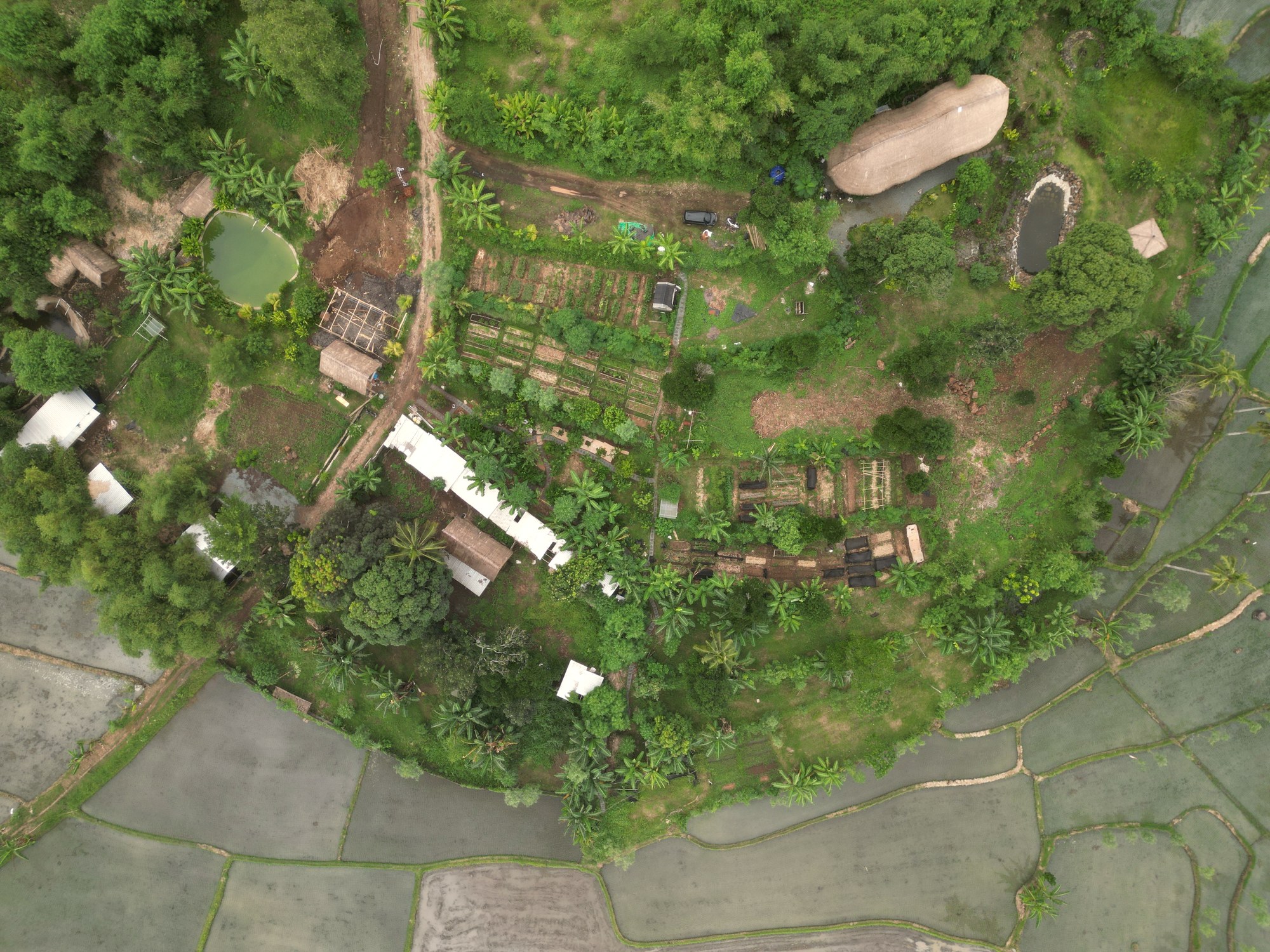
Barely a season ago, three different research firms were still arguing, loudly and in public, over how big the market for visiting a working farm had actually become — nineteen-fold apart at the extremes, by one count, which is less a market than a family disagreement conducted through press releases. Southeast Asia, it turns out, was not waiting around for anyone to referee that argument. While the analysts squabbled over which decimal to trust, farms scattered across the region — from the Indonesian highlands to the hills above northern Thailand to the valleys outside Ho Chi Minh City — had already answered the underlying question with their calendars: yes, people want to come. Not to buy the vegetables and leave. To stay a night, cook a meal, sit at a table that was somebody else's kitchen table first.
You can watch it happen without any research firm's help, because the tourism websites have already done the categorizing for you, in their own quiet, unglamorous way. On a single island's listings alone, eleven separate entries now sit filed under "farms" — a coffee-and-vanilla roastery in the hills carrying a 4.9-star average, a scatter of smaller operations opening and closing their gates by the season, and, filed a little confusingly under "Nature & Wildlife Areas" by an algorithm that clearly didn't know which box to check, a working valley farm. Multiply that by every island and upland district across seven countries, and you are looking at a category nobody built on purpose. It assembled itself, one satisfied visitor at a time — the same unglamorous way most true things get built.
It shows up in the numbers, too, if you know where to look. In the Indonesian highlands, a 2024 case study put a blunter question than any tourism board usually bothers with to ninety-nine households across three villages: did farms that started hosting guests actually leave their neighbors better off? The honest answer came back yes — with a twist none of them had gone looking for. It wasn't more hands on the payroll, and it wasn't more schooling, that moved a household's income. It was how much land a family already controlled, and how much capital it could put behind it. Hosting guests didn't conjure a windfall out of nothing; it rewarded people who already had something to work with — a less flattering finding than a brochure would print, and a considerably more honest one. There is little reason to think the same arithmetic stops politely at one country's border.
What's striking, once you start looking across the region, is how little the farms doing this have in common on the surface — different countries, different crops, different languages spoken over the stove — and how completely they agree underneath.
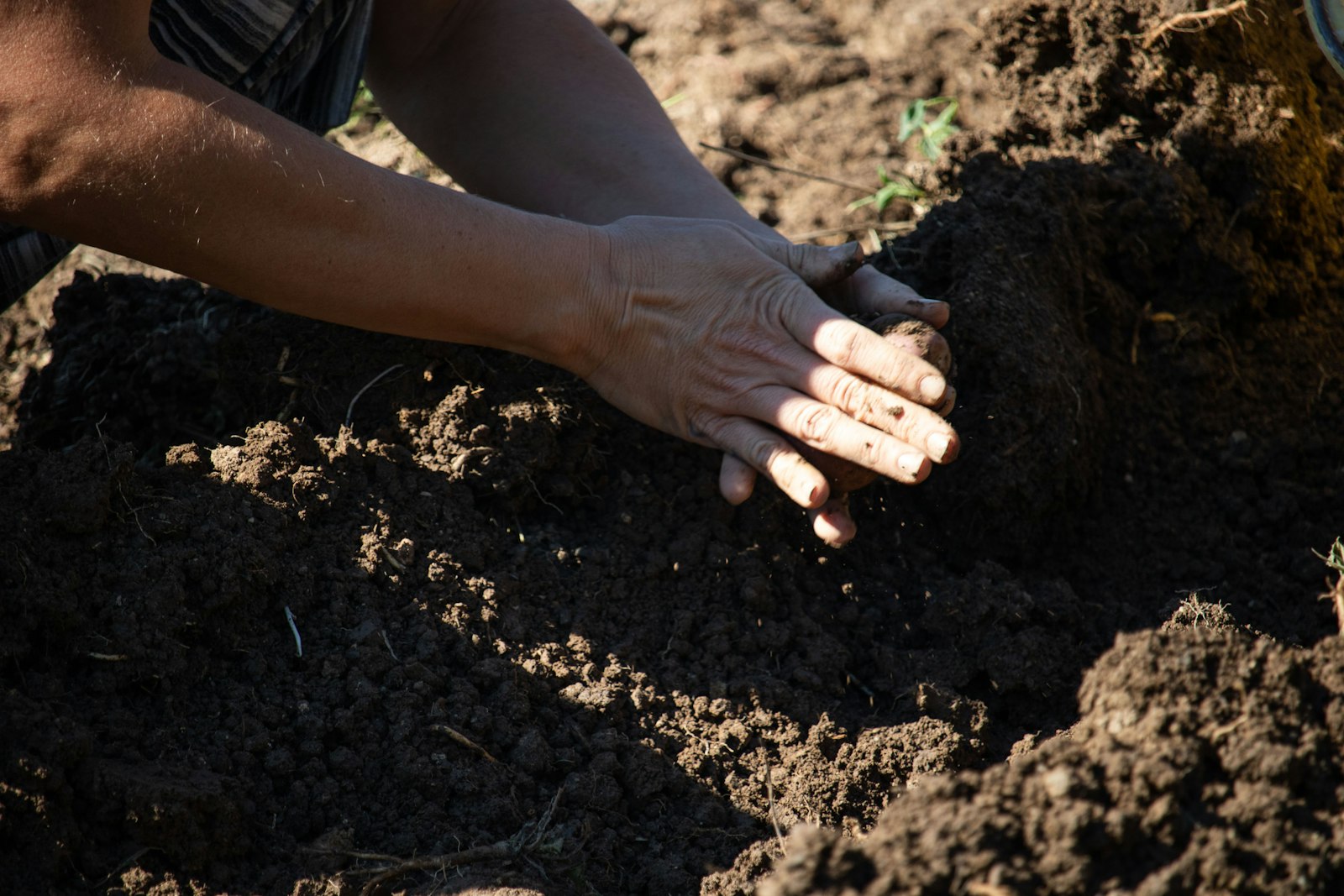
Some of them backed into it. A plot bought for one reason — a family reunion, a few bungalows for grown children to come home to each summer — and then an earthquake, or a pandemic, or both in close succession, turning "eventually" into a question nobody's land could afford to keep postponing. What came out the other side wasn't the quiet place anyone had drawn up. It was a working farm with a coffee shop, a cooking class over a firewood stove, a weekly delivery route, sometimes even a charitable project with no obvious line back to the soil at all — except that it came from the same place: deciding what a piece of ground actually owes the people around it.
Others built the whole thing around the table from the start, and don't pretend otherwise. Guests trade a few hours of real work for a cabin and a seat at dinner; there's a standing communal meal, a Friday-night gathering that reads less like a tourist activity than a neighborhood invitation, a membership that hands a garden plot to anyone who wants one for longer than a weekend. The produce, in these places, was always the excuse. The shared table was the point.
And a few are doing the hardest thing of all, which is waiting. A guest villa stands finished with no booking page attached to it, because the people who built it have said plainly that the doors open properly when the soil is ready, and not a day before. It's easy to read that as the odd one out in a story about farms taking reservations. It reads truer as the same story caught one frame earlier — the moment just before a farm decides it's ready to let people in, which every other farm passed through once, at its own pace, on its own terms.
None of these farms set out to become tourism operators. They arrived here by way of an earthquake, a pandemic, a valley full of rice paddies, or a patience most businesses can't afford — scattered across seven countries that have never once compared notes — and the direction is the same in every case. It isn't coming from a market-research deck with a decimal point in it. It's coming from people who kept showing up, uninvited by any marketing plan, wanting to sit at the table rather than just buy what came off it — until saying yes to them stopped being an accommodation and turned into its own kind of harvest.
The farms above are archetypes, not addresses — on purpose. The named, verified ones are gathering here, from across the region.
Farming somewhere good for the earth in Southeast Asia — and open to visitors? Confirm your listing and answer one short call — the farms that fit join this story as it grows.
Answer the call →